Keep the Air in Your Home Fresh With a Heat Recovery Ventilator
Keep the Air in Your Home Fresh With a Heat Recovery Ventilator
The evolution of home construction means vast improvements in efficiency, healthier materials, and innovation. One example is the heat recovery ventilator (HRV)— also known as mechanical ventilation heat recovery. Newly constructed residential and commercial buildings are using this system to improve air quality indoors.
Yet, not everyone has a shiny new home, so homeowners can add this valuable home improvement and reap the benefits of a heat recovery ventilator. To help you determine if this device is the right upgrade for your home, we have a breakdown of all the essential facts you’ll need to know.
What is a Heat Recovery Ventilator (HRV)?
A
heat recovery ventilator is a continuous ventilation system that works with separate heating and cooling devices. In a nutshell, the air-to-air exchange reduces the demands on your furnace and your air conditioner, which makes it more energy efficient overall.
This system requires a certified professional with the knowledge and experience to install the correct system based on the size, existing HVAC systems, and geographical location of your home. In addition, they know the exact calculations needed to provide the perfect HRV optimization.
How Does it Work?
In colder months, the exterior vents allow the HRV to draw fresh air into the home while reusing its heating as it expels the stale air. In warmer months, the opposite occurs. The hot air inside the house flows outdoors, keeping the home cooler as it exchanges stale hot air for freshly cooled. This air exchange makes the home more comfortable for inhabitants, and homeowners appreciate the reduced bills with less demand on the furnace and air conditioner.
The bonus is you never have to shut the system off; you need routine maintenance so it runs smoothly and continuously.
The HRV system itself involves:
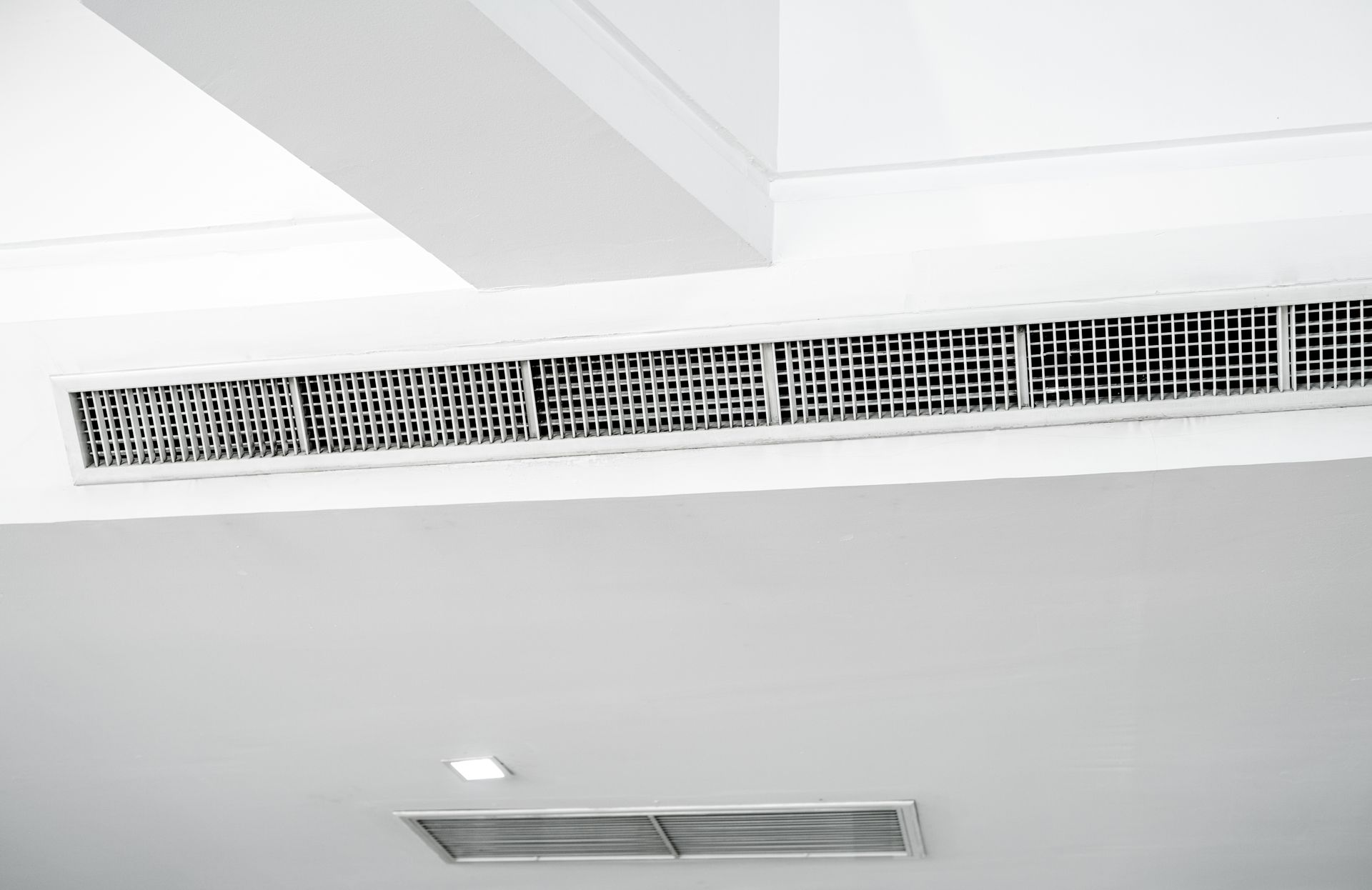
- An interior and exterior insulated duct system.
- Fans for air circulation.
- A heat-exchange core.
- Pollutant air filters.
- A condensation drain.
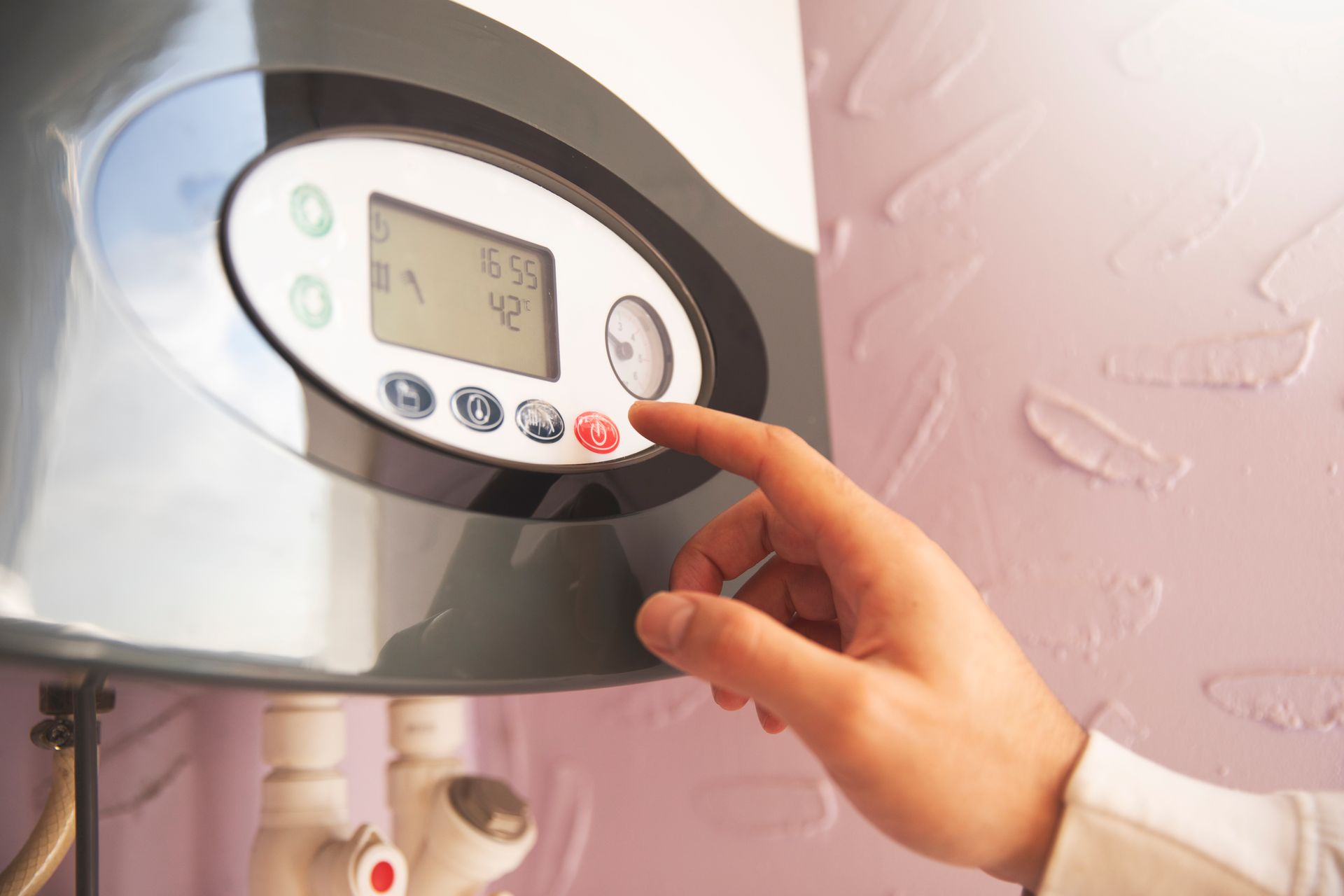
- Operating controls.
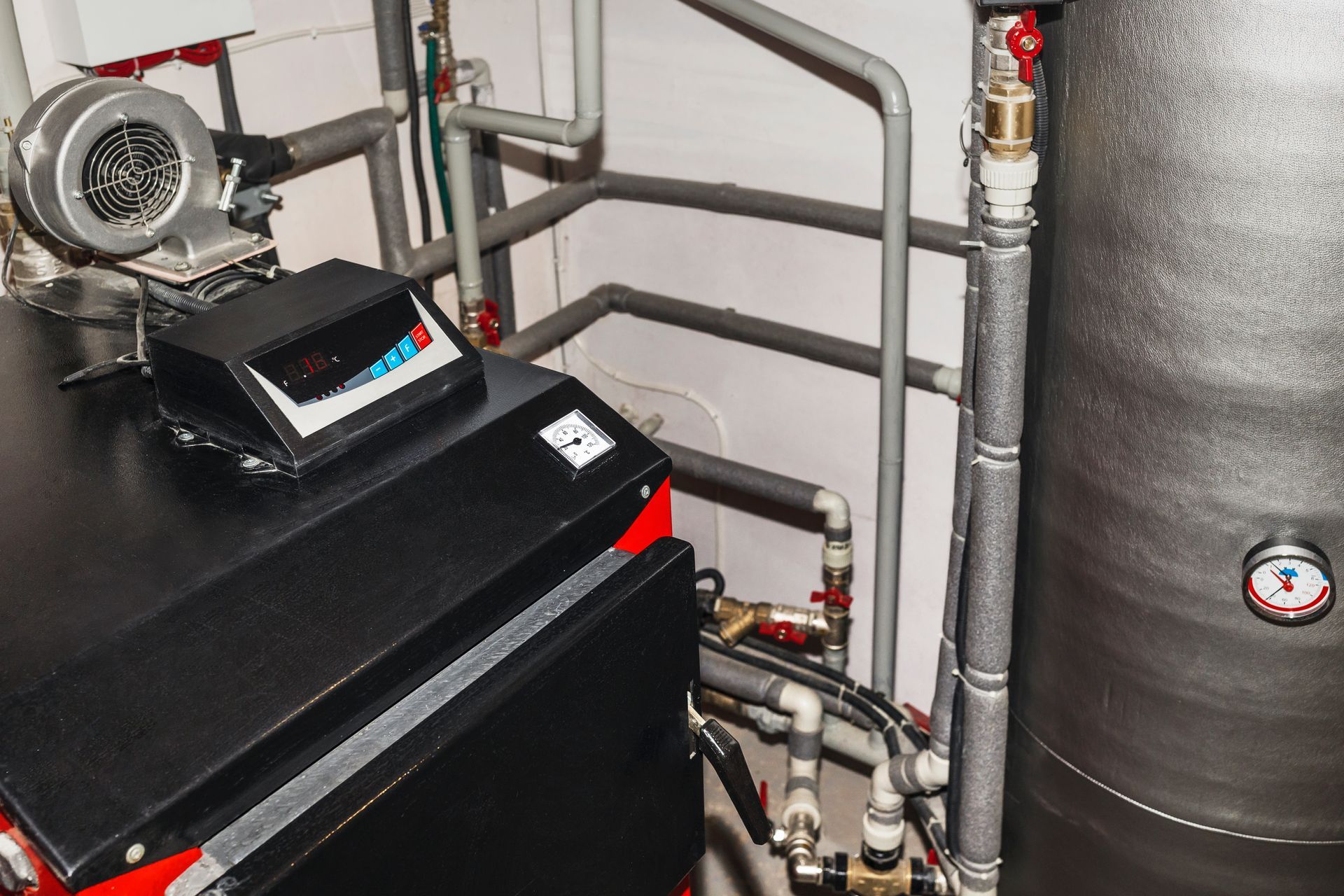
The installation often occurs in the furnace room and requires continuous, balanced airflow to operate at total efficiency.
The Benefits of HRV
Whether it is for a new home build or renovation, many people want to know the benefits of a heat recovery ventilator system before installing one. However, as with any investment, you must weigh the cost against the long-term advantages an HRV will provide.
Indoor Air Quality - airtight homes create a bubble of stagnant air. Opening a window helps, but it also allows pollutants to enter. The HRV allows fresh air to circulate continuously, which improves mood, sleep, and overall comfort.
Eliminates Pollutants - the HRV cleans as it goes. As a result, chemicals, mould spores, moisture, and bacteria are minimized, providing families, allergy sufferers, and immuno-compromised people with a safer, healthier environment.
Energy Efficiency - an HRV lessens the demand on your furnace and air conditioning units, reducing energy consumption and expensive bills—which means it’s better for the environment!
Is There Maintenance Involved?
As with any HVAC system, you will need routine maintenance for it to run at total capacity and have optimal benefits. The good news is that it is simple!
Heat recovery ventilators need annual maintenance by a certified HVAC technician. Your job will be to clean the unit monthly and replace the filter every one to three months. Most homeowners switch them along with the furnace filter.
Protect Your Family With a Heat Recovery Ventilator
Alleviate stagnant air and improve your family’s quality of life with a heat recovery ventilator from
Home Saving Inc. in Gormley, ON. Their fully qualified and experienced technicians provide the utmost quality service and advice.
Book your complimentary quote online or by calling 647-800-7796 today!