A Step-by-Step Guide to Water Heater Installation: Tank vs. Tankless Options Demystified
Installing a new water heater is a vital decision for homeowners. With various options available, it's important to choose the one that best suits your family's needs and preferences. In this blog post, we will walk you through the process of water heater installation and discuss the differences between tank and tankless models.
Tank vs. Tankless Water Heaters: The Basics
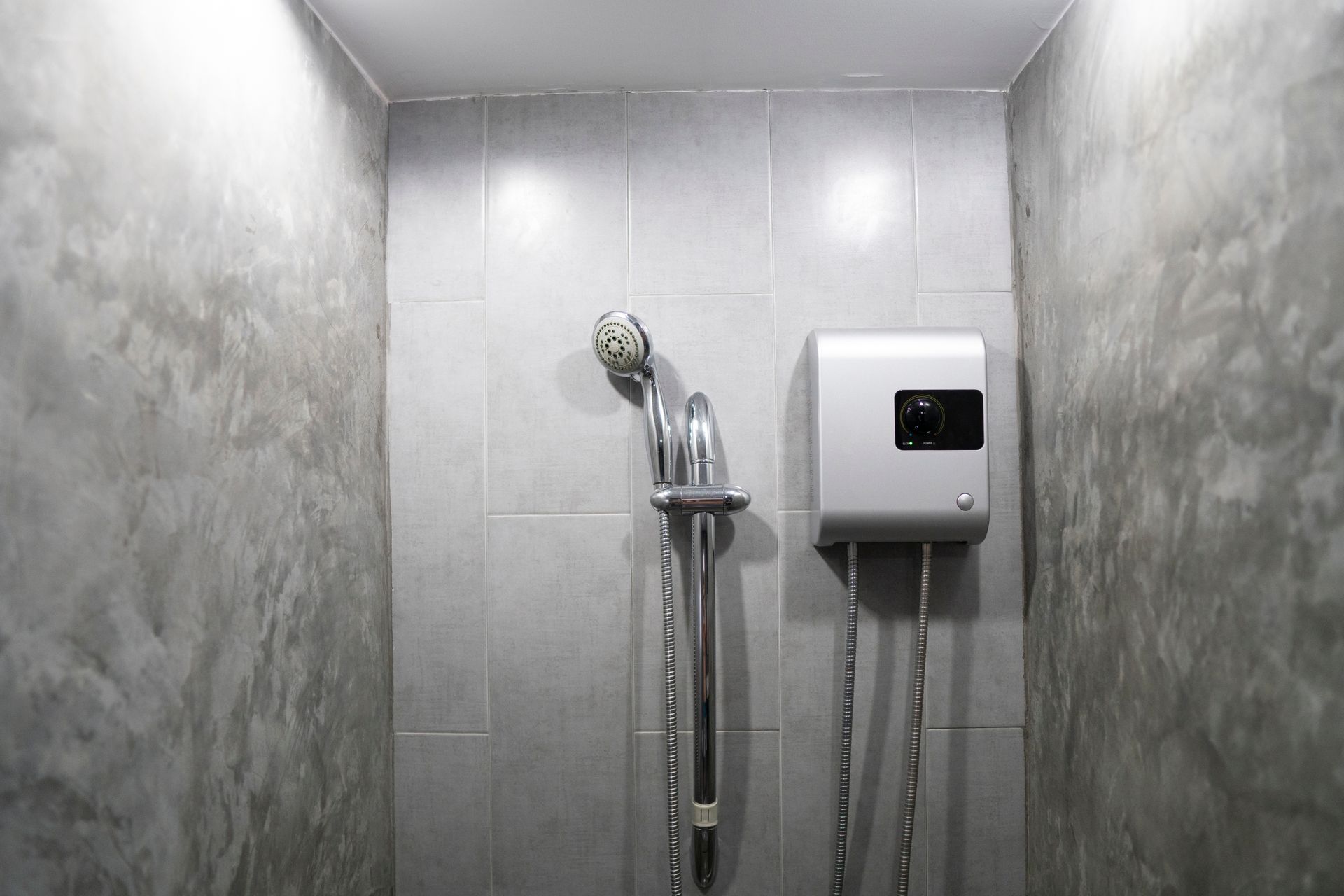
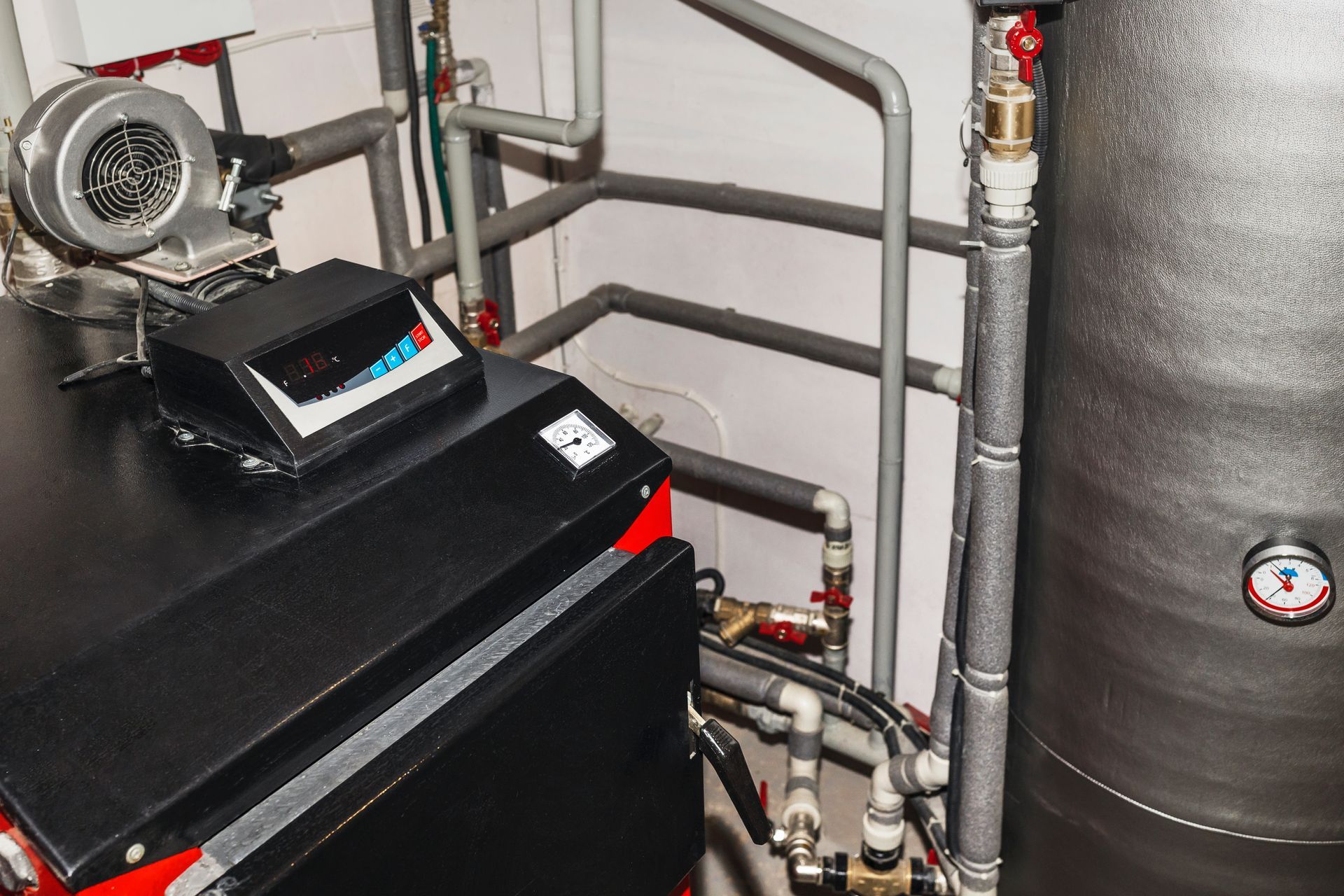
Before we dive into the installation process, let's understand the differences between tank and tankless water heaters. Traditional tank water heaters store and heat large quantities of water, ensuring a constant supply of hot water. On the other hand, tankless water heaters heat water on demand, providing instant hot water without the need for a storage tank.
Pros and Cons of Tank Water Heaters
Tank water heaters are the most common choice for homeowners due to their lower initial cost and ease of installation. They also tend to have a longer lifespan and are generally easier to maintain. However, they can be less energy-efficient and require more space compared to tankless water heaters.
Pros and Cons of Tankless Water Heaters
Tankless water heaters are gaining popularity for their energy efficiency and space-saving design. They can save up to 30% on energy bills and provide an endless supply of hot water. However, they come with a higher upfront cost and may require electrical or gas line upgrades.
Factors to Consider When Choosing a Water Heater
To make the best choice for your home, consider the following factors:
1. Energy efficiency: Tankless water heaters are more energy-efficient, saving you money in the long run.
2. Space: Tankless models take up less space, making them ideal for smaller homes or apartments.
3. Hot water demand: If your household has a high demand for hot water, a tankless water heater may be the better option.
4. Budget: While tankless water heaters have a higher upfront cost, they can save you money over time due to lower energy bills.
Step-by-Step Guide to Water Heater Installation
Step 1: Choose the right water heater
Consider your hot water needs, energy efficiency preferences, and budget when selecting your new water heater.
Step 2: Prepare the installation site
Ensure the installation area is clean, dry, and well-ventilated, with proper electrical and gas connections nearby.
Step 3: Remove the old water heater
Follow safety precautions while disconnecting and removing the old water heater.
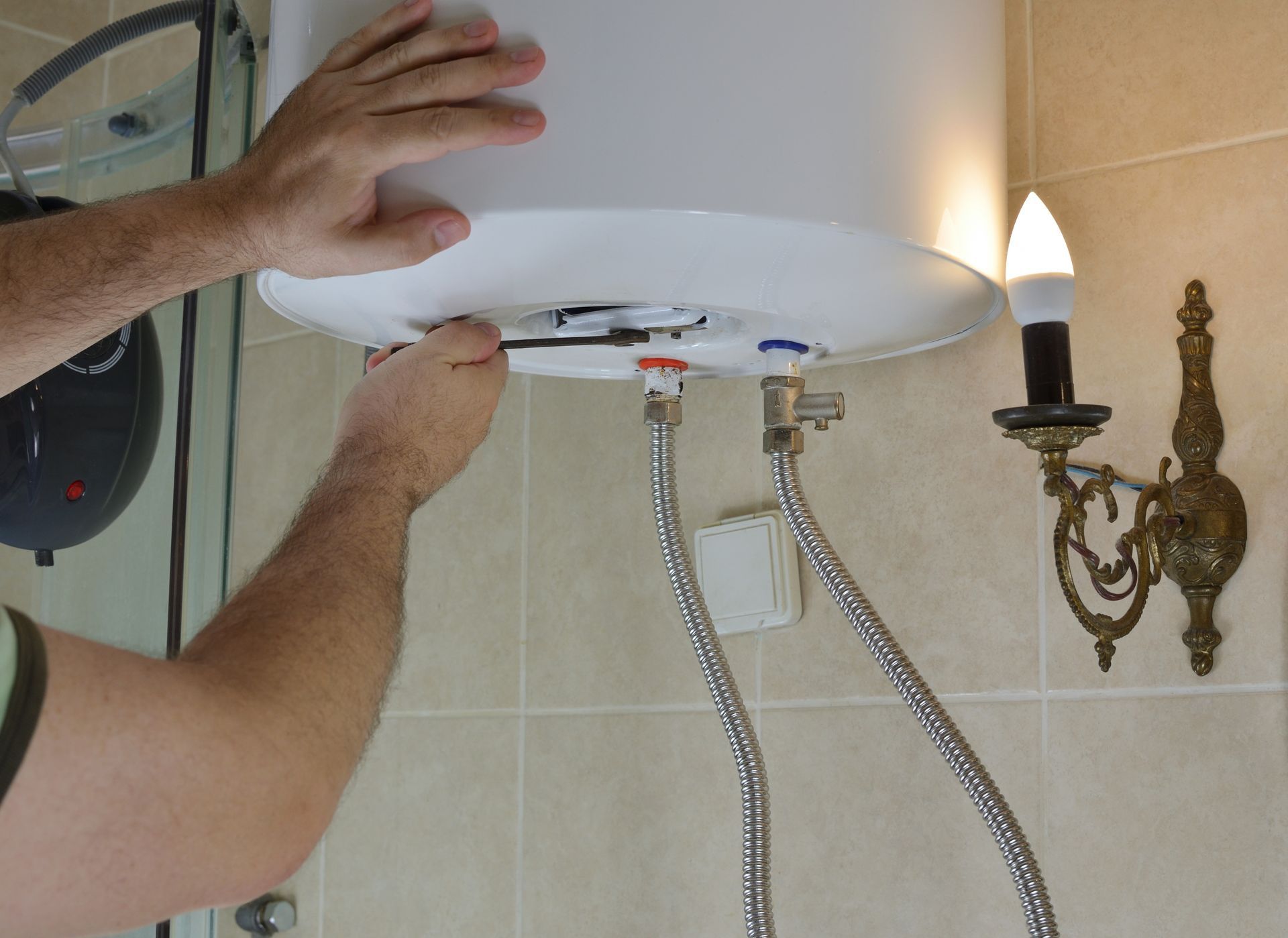
Step 4: Install the new water heater
Follow the manufacturer's instructions and comply with local codes when installing your new water heater.
Step 5: Test and adjust the system
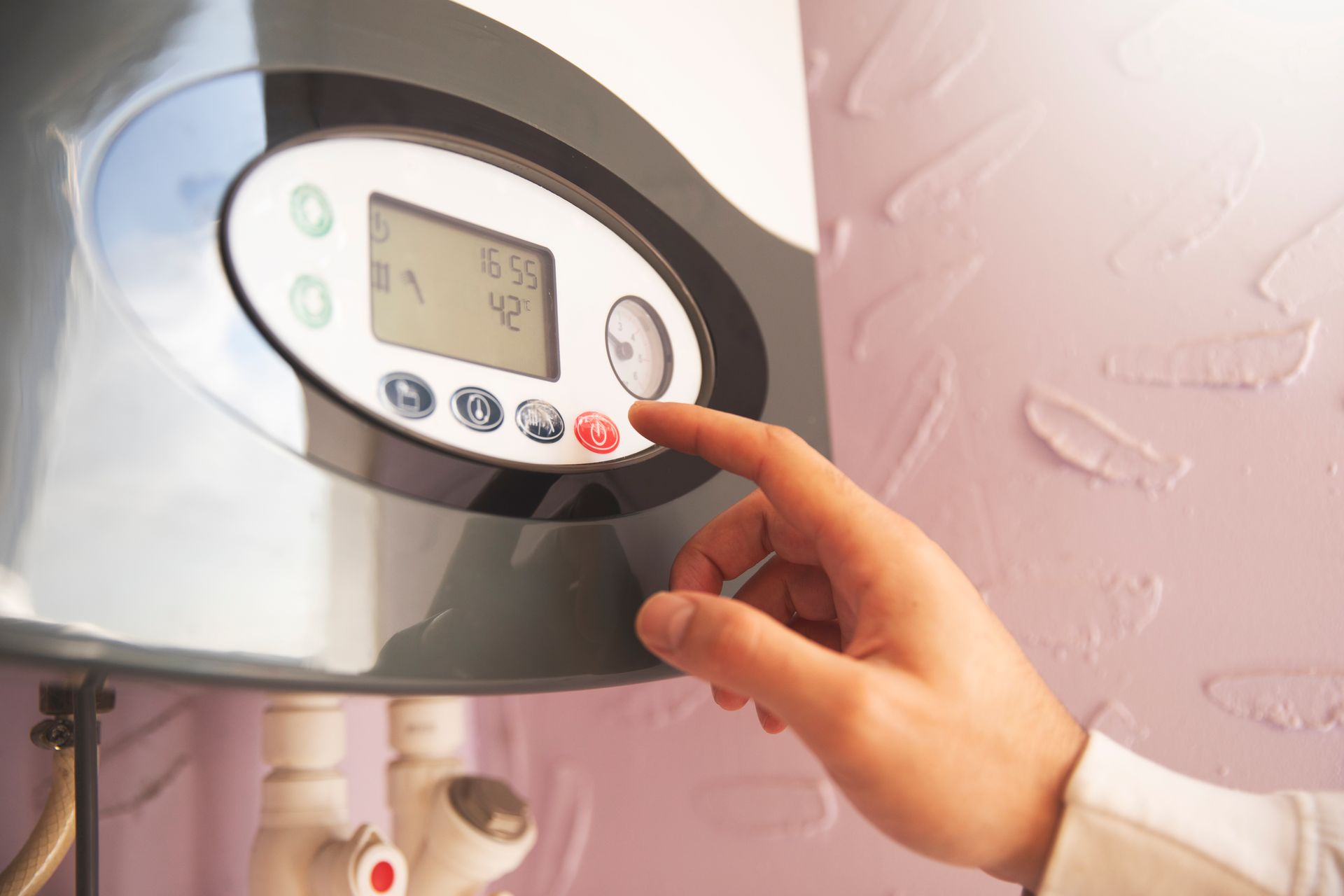
Once the installation is complete, test the system and make necessary adjustments to ensure optimal performance.
Step 6: Dispose of the old water heater
Properly dispose of the old water heater in compliance with local regulations.
With a clear understanding of the differences between tank and tankless water heaters, you can make an informed decision for your home. Remember to consider factors such as energy efficiency, space requirements, and hot water demand to select the right model.
If you need professional help with your water heater installation, don't hesitate to contact Home Saving Inc. Heating & Cooling. Our team of experts can guide you through the process and ensure a seamless installation experience. Contact us today!