The Reality of Tankless Water Heaters Do They Actually Last Forever
Upgrading to a modern water heating system involves a significant investment and homeowners rightfully expect reliable performance. At Home Saving Inc. (Heating and Cooling) we frequently speak with clients in King City who believe their new equipment will operate flawlessly for decades without any intervention. Setting realistic expectations about mechanical durability prevents frustrating surprises down the road and helps you protect your home infrastructure.
The industry standard marketing often glosses over the harsh realities of local water conditions and heavy daily usage. Understanding the true tankless water heater lifespan requires looking past the sales brochures and examining how these units actually function in a residential plumbing setting. Knowing what to expect allows you to make informed decisions about installation and ongoing equipment care.
Inside This Article
- The Truth About Tankless Equipment Durability
- How Local Water Conditions Dictate Performance
- Frequently Asked Questions
- Protecting Your Heating Investment
The Truth About Tankless Equipment Durability
There is a common overestimation in the residential plumbing market that a tankless unit is a permanent fixture that never needs replacing. While it is true that these compact systems outlast traditional storage tanks by several years they are still mechanical devices subject to intense thermal stress and material fatigue. A high quality unit installed in an optimal indoor environment generally provides fifteen to twenty years of reliable service before internal wear makes a full replacement more economical than a complex repair.
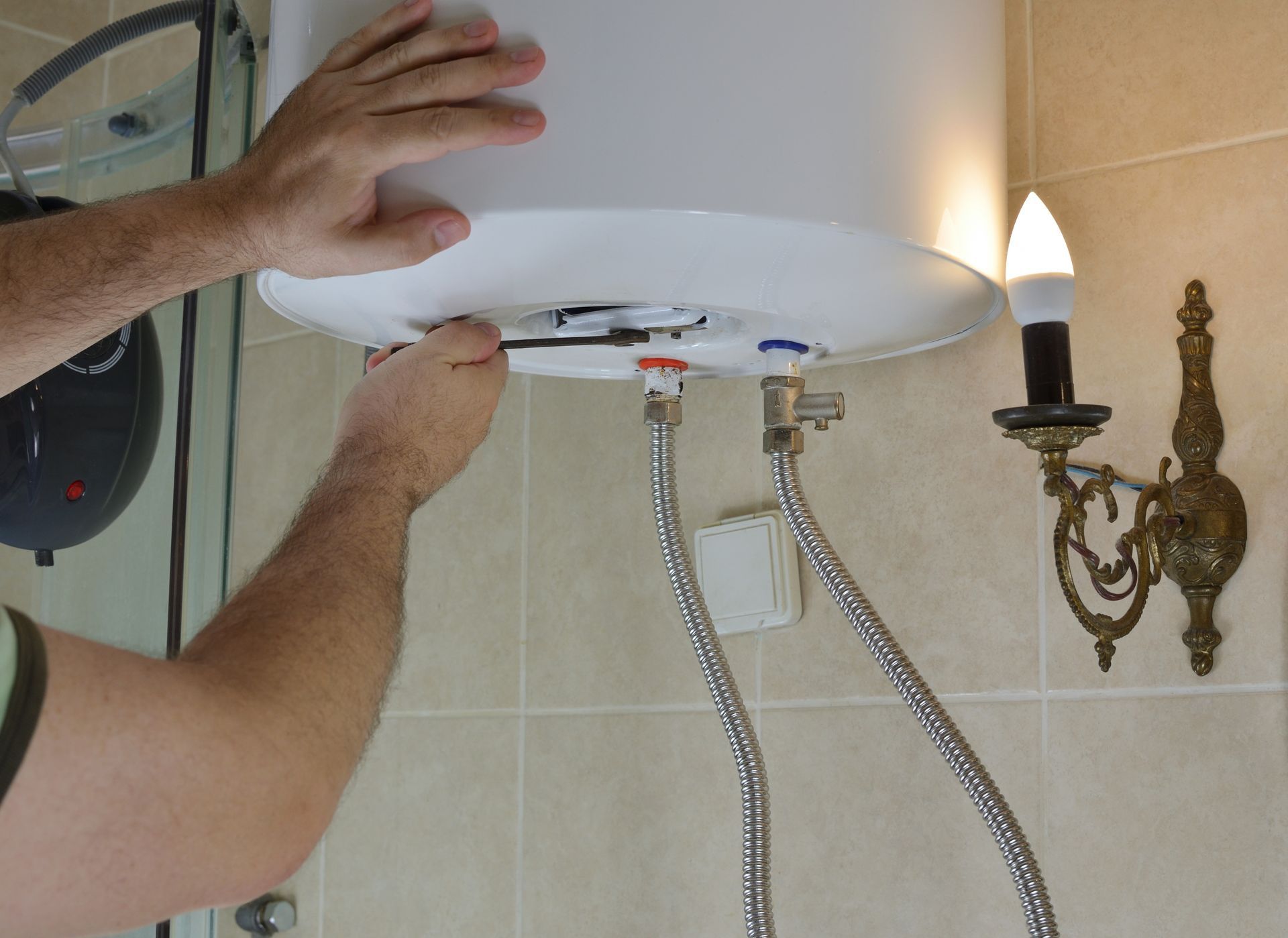
The copper heat exchanger endures extreme temperature fluctuations every time you open a hot water tap anywhere in the house. This constant expansion and contraction gradually weakens the thin metal over thousands of daily heating cycles. Assuming the system will simply run forever without issue leads to neglected maintenance and premature structural failure inside the combustion chamber.
→ From a professional standpoint planning for a realistic twenty year lifespan helps you budget for eventual replacement without feeling blindsided by sudden equipment failure.
How Local Water Conditions Dictate Performance
The physical environment surrounding your plumbing network plays a massive role in how long the internal components actually survive. Hard water is the primary enemy of any water heating appliance because dissolved calcium bakes directly onto the narrow copper passageways. If left unchecked this hard mineral scale acts as a thick insulator that forces the internal burner to work much harder to achieve the requested output temperature.
The added heat stress rapidly accelerates the aging process of the entire metal cabinet and the sensitive electronic flow sensors. Properties drawing from wells or municipal supplies with high mineral content will see their equipment degrade much faster than homes equipped with dedicated water softening systems.
→ A quick tip to remember is that treating your home water supply before it reaches the heating unit effectively doubles the working life of the primary heat exchanger.
Frequently Asked Questions
How long do tankless water heaters actually last?
When properly sized and installed by licensed gas technicians a standard residential unit operates efficiently for roughly fifteen to twenty years. This timeframe drops significantly if the system is forced to handle a larger household demand than it was engineered to supply. Regular daily usage patterns and regional water hardness are the two biggest variables that shorten or extend this functional operating window.
Is annual tankless maintenance required for warranty?
Most major equipment manufacturers strictly require documented proof of annual professional maintenance to keep the valuable heat exchanger warranty valid. Failing to hire a licensed contractor for routine descaling service gives the manufacturer clear grounds to deny your claim if the copper pipes crack. Keeping your detailed service invoices organized is essential for protecting the financial coverage on your plumbing investment.
What happens if you never flush a tankless water heater?
Skipping the annual chemical flush allows hard water scale to completely choke the narrow internal piping and the delicate flow restrictor valves. The unit will begin shutting down randomly to prevent itself from overheating and your daily water pressure will drop to a weak trickle. Eventually the heavy mineral buildup causes the heat exchanger to rupture and leak water directly into the gas combustion area.
Protecting Your Heating Investment
Understanding the mechanical realities of your plumbing equipment puts you in total control of its long term daily performance. Scheduling routine descaling service removes the damaging scale buildup and keeps your unit operating efficiently for its entire intended lifespan. Call our local technicians today to book your next annual service visit and secure your daily hot water supply.