Why Delaying Furnace Repairs Before the First Freeze Risks Failure
Ignoring a strange rattling noise from your basement is easy during the mild autumn weeks but it becomes a massive liability when the weather turns hostile. The technicians at Home Saving Inc. (Heating and Cooling) regularly respond to complete system failures in Whitchurch-Stouffville that could have been prevented with a minor adjustment a month earlier. Early furnace repair warning signs are your equipment asking for help before a critical component snaps under pressure.
Delaying basic mechanical repairs forces the surrounding parts to absorb extra stress every time the thermostat calls for heat. A slightly unbalanced blower wheel will eventually destroy its own motor bearings if left to shake violently during every cycle. Addressing these operational quirks now keeps your home warm and prevents a cheap fix from turning into a total unit replacement.
What We Cover
- Stage 1: Assess the Warning Signs
- Stage 2: Schedule the Diagnostic Work
- Stage 3: Protect the Internal Components
- Frequently Asked Questions
- Securing Your Winter Comfort
Stage 1: Assess the Warning Signs
Identifying abnormal behavior is the first step in preventing a midwinter heating emergency. You must observe your equipment while it operates to catch the subtle early indicators of mechanical strain.
• Auditory Checks: Stand near the cabinet during the startup sequence and listen for sharp screeching sounds that indicate failing belts or dry bearings.
• Cycle Monitoring: Time how long the burner stays active to see if the system is short cycling and shutting down prematurely before reaching the set temperature.
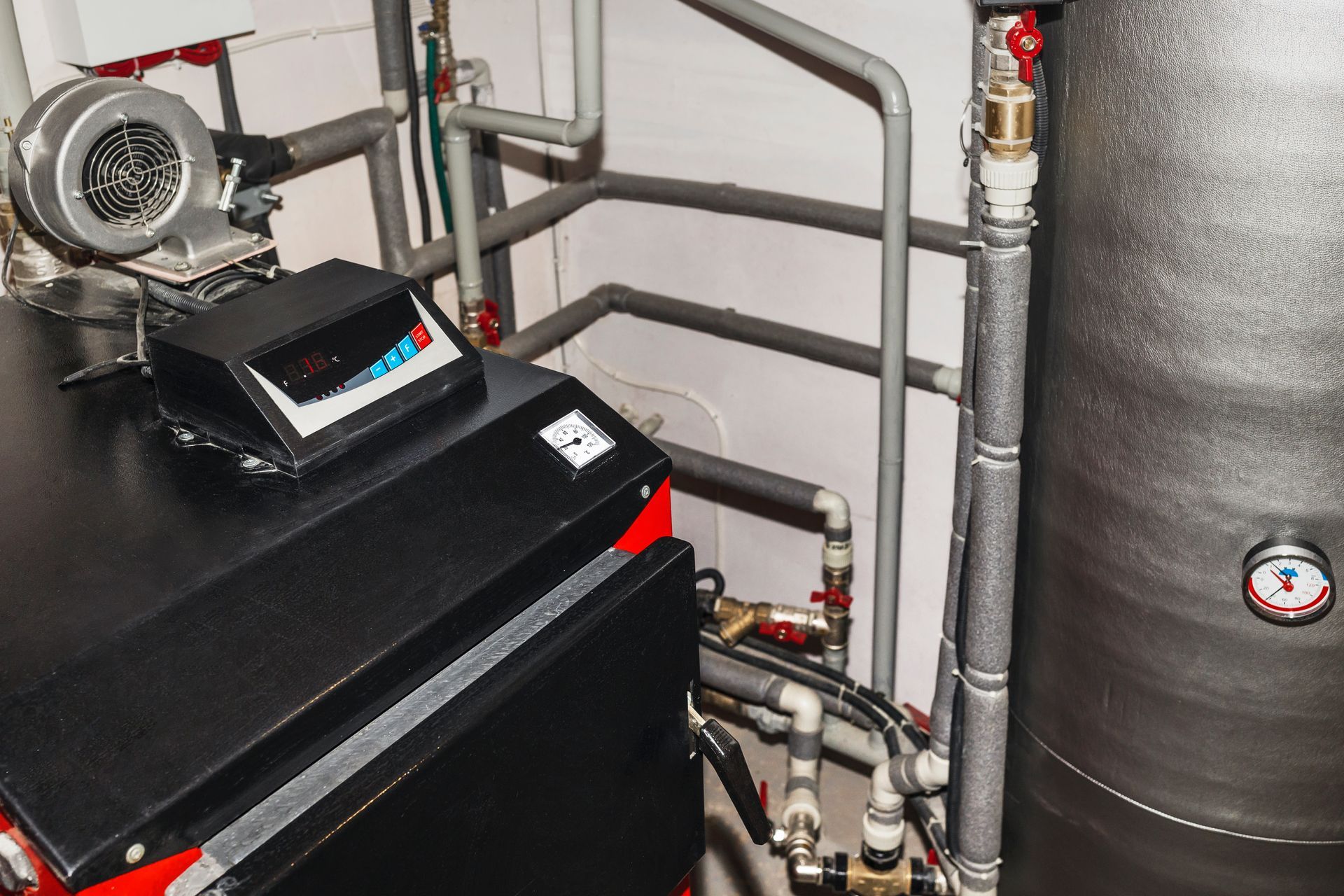
• Flame Inspection: Look through the small viewing port on the front panel to confirm the burner flames are a crisp blue rather than a wavy yellow.
• Odour Tracking: Pay attention to any strong smells of burning plastic or raw gas that linger in the utility room after the blower turns off.
Stage 2: Schedule the Diagnostic Work
Once you spot an operational issue you need to bring in a licensed professional to physically inspect the internal components. Booking this evaluation before the first deep freeze ensures you get prompt service without paying emergency dispatch rates.
• Technician Availability: Call your local HVAC provider to lock in an inspection date while they still have open slots on their standard autumn schedule.
• Symptom Reporting: Provide the dispatcher with a clear list of the strange noises and cycle times you recorded to help the technician arrive prepared.
• Access Preparation: Clear away any stored boxes or holiday decorations around the unit so the technician has a safe workspace to open the cabinet.
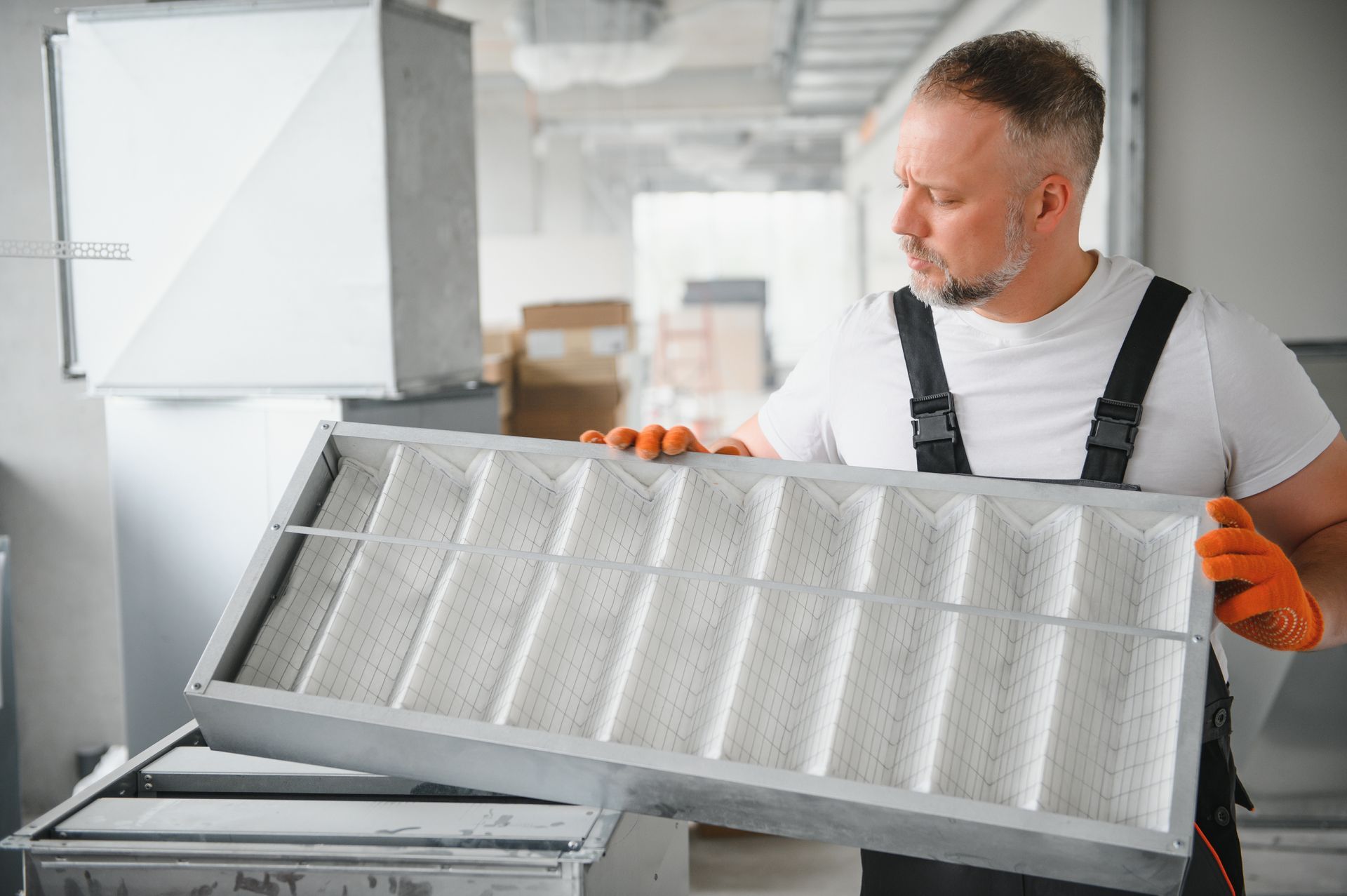
• Filter Verification: Leave your current media filter inside the rack so the professional can examine the dust accumulation pattern for airflow clues.
► Waiting until the first major snowstorm to call for a repair often means waiting days for an available technician while your house slowly freezes.
Stage 3: Protect the Internal Components
Taking immediate action stops a minor friction issue from destroying the most expensive parts of your heating unit. The goal is to stabilize the system so it can safely handle the heavy workload of the coming winter.
• Motor Lubrication: Have the technician apply specialized trade lubricants to any dry fan bearings to stop the metal on metal grinding.
• Sensor Cleaning: Request a deep clean of the flame sensor rod to prevent the safety mechanisms from randomly shutting down the gas valve.
• Tension Adjustment: Ask the professional to tighten any loose blower belts to restore proper airflow and stop the screeching noises.
• Vent Clearing: Ensure the PVC exhaust pipes on the exterior of your house are completely free of leaves and debris to prevent dangerous backdrafts.
Frequently Asked Questions
Can a furnace run with a cracked heat exchanger?
A cracked heat exchanger is a severe safety hazard because it allows deadly carbon monoxide to leak directly into the clean air circulating through your home. If a technician identifies a crack they are legally required by local safety codes to immediately shut off your gas supply and red tag the unit. The system cannot be safely operated again until the entire heat exchanger is replaced or a brand new furnace is installed.
What does a failing furnace blower motor sound like?
When the internal bearings inside a blower motor begin to fail you will hear a loud metallic scraping or continuous high pitched squeal echoing through your ductwork. If the electrical capacitor attached to the motor is dying the cabinet will produce a deep electrical hum while the fan struggles to start spinning.
How long does it take to replace a cracked heat exchanger?
Replacing a primary heat exchanger is a highly complex teardown process that typically takes a licensed gas technician four to six hours to complete. The entire cabinet must be dismantled to access the combustion chamber and rebuild the internal venting system properly. Because this component is so expensive to purchase and install most homeowners choose to replace the entire furnace if the unit is more than ten years old.
Securing Your Winter Comfort
Taking care of minor operational quirks in the autumn guarantees your equipment will survive the heavy demands of a long Canadian winter. A proactive diagnostic visit stops excessive mechanical wear and keeps your family safe from unexpected breakdowns during freezing temperatures. Call our local dispatch team today to schedule your repair before the severe weather arrives and availability disappears.